docker compose notes: tracking data quality signals for long term maintenance
when a project grows, tracking data quality signals stops being a small cleanup task and becomes part of the way the team ships software. this alphanode note walks through a practical approach to docker compose for long term maintenance.
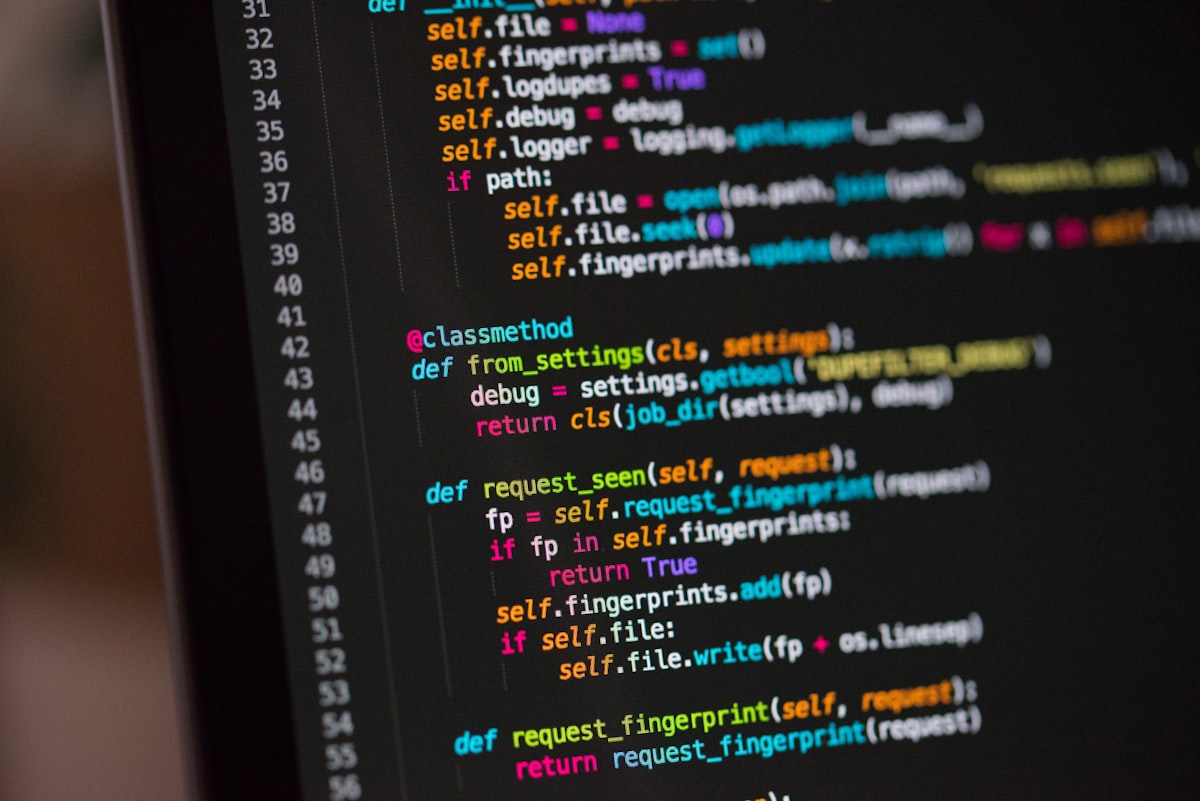
security and maintenance notes
a good production pattern has a small surface area. it should be easy to test, easy to disable, and easy to explain to another developer in a few minutes.
write the final notes immediately after the change ships. include the reason for the change, the files touched, the command used, and the metric that improved. this turns a one-time fix into reusable team knowledge.
avoid mixing content decisions with infrastructure decisions. templates, query rules, and cache behavior should be separate enough that changing one does not unexpectedly break the others. for this docker compose case, keep the owner, expected result, and rollback note in the same place.
services:
  app:
    image: node:20-alpine
    restart: unless-stopped
implementation checklist
- run linting
- run unit tests
- run one integration check
- verify staging config
- tag the release
final notes
the best result is not only a faster or cleaner docker compose implementation. it is a change that another developer can inspect, understand, and safely repeat. keep the final commands, metrics, and assumptions close to the article so future maintenance is easier.