practical guide to writing maintainable validation rules with laravel queues

when a project grows, writing maintainable validation rules stops being a small cleanup task and becomes part of the way the team ships software. this alphanode note walks through a practical approach to laravel queues for a small engineering team.
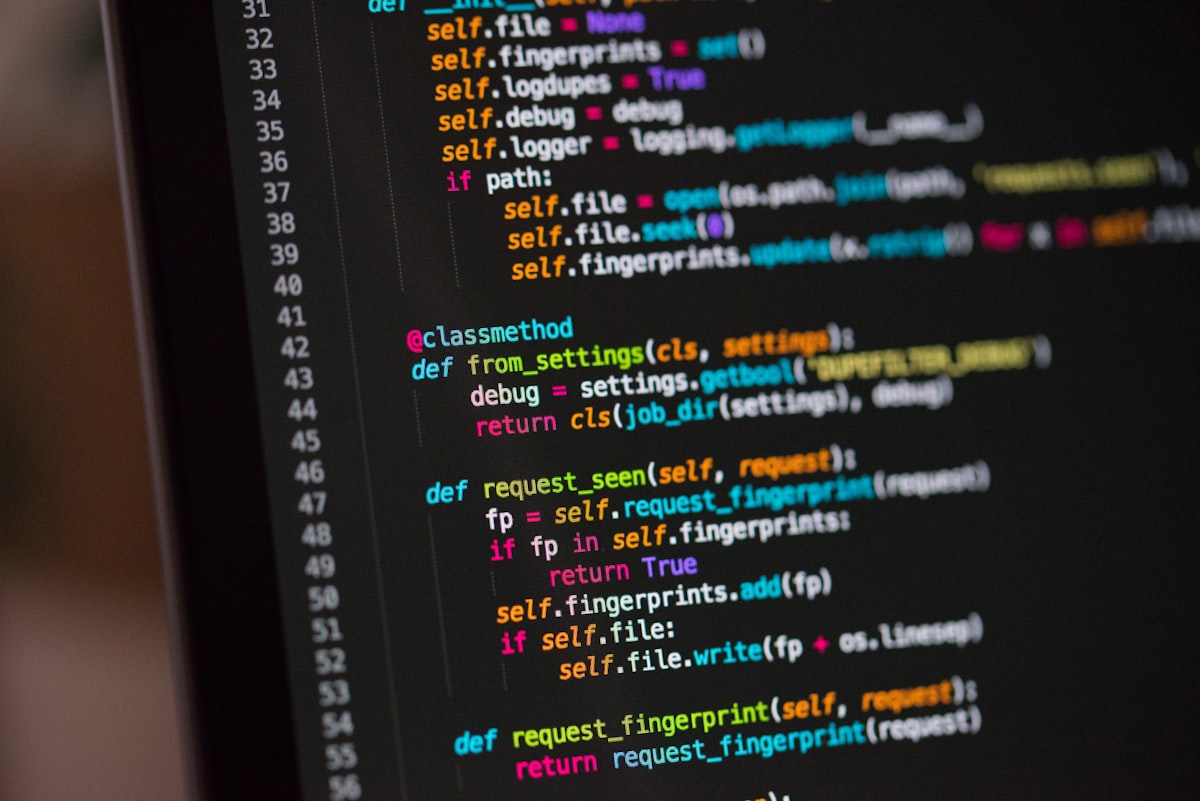
writing maintainable validation rules with laravel queues visual reference 1
writing maintainable validation rules with laravel queues visual reference 1. image source: unsplash

the practical approach

treat staging as a rehearsal, not just a place to click around. copy the important configuration, test the real deployment command, and confirm that a rollback can be executed without searching through old notes.

when the feature touches user input, validate at the boundary and keep error messages specific. a good error message should explain what failed, what value was expected, and whether the request can be retried safely.

keep the implementation boring on purpose. a clear function name, a small configuration array, and one predictable code path will usually survive future maintenance better than a clever abstraction that only one developer understands. for this laravel queues case, keep the owner, expected result, and rollback note in the same place.

php artisan queue:work redis --tries=3 --timeout=90 --sleep=2

implementation checklist

  • review query plans
  • add indexes carefully
  • test with realistic data
  • compare before and after metrics
  • document the migration
writing maintainable validation rules with laravel queues visual reference 2
writing maintainable validation rules with laravel queues visual reference 2. image source: loremflickr.com

final notes

the best result is not only a faster or cleaner laravel queues implementation. it is a change that another developer can inspect, understand, and safely repeat. keep the final commands, metrics, and assumptions close to the article so future maintenance is easier.

alphanode post meta

topicwriting maintainable validation rules / laravel queues
summarythis ai-style technical summary explains writing maintainable validation rules in laravel queues, with emphasis on measurement, safe defaults, rollback planning, and maintainable documentation.
ai outline
  • context: for a small engineering team
  • problem: writing maintainable validation rules
  • stack: laravel queues
  • recommended action: measure first, change carefully, document the result
ai briefthe article is written like a careful ai generated engineering draft: it explains the reason for the change, lists operational checks, and avoids pretending that one command fixes every production case.
stack
  • laravel queues
  • backend
  • php
tools
  • artisan
  • horizon
  • redis
  • supervisor
  • git
  • logs
code languagephp
difficultyadvanced
reading time7
view count99515
score
  • quality: 75
  • freshness: 56
  • depth: 84
  • clarity: 86
revision
  • status: reviewed
  • version: 1.0.7
  • last reviewed: 2023-04-05
referenceanp-ref-000588-6833
hashee1472f4a8cb44b357d8ce9e
flags
  • ai generated style: 1
  • has images: 1
  • image heavy: 0
  • needs human review: 0
checklist
  • review query plans
  • add indexes carefully
  • test with realistic data
  • compare before and after metrics
  • document the migration
entities
    • name: laravel queues
    • type: stack
    • name: backend
    • type: area
    • name: writing maintainable validation rules
    • type: problem
image sources
    • source: unsplash
    • url: https://images.unsplash.com/photo-1515879218367-8466d910aaa4?auto=format&fit=crop&w=1200&q=80
    • caption: writing maintainable validation rules with laravel queues visual reference 1
    • source: loremflickr.com
    • url: https://loremflickr.com/1200/630/code,developer?lock=589
    • caption: writing maintainable validation rules with laravel queues visual reference 2
payload
  • source id: alphanode-000588
  • generator: anp content synthesizer
  • paragraphs: 4
  • scenario: for a small engineering team
  • seed: 588
notes
  • sanitized array meta is expected to render as a list in the frontend box
  • view count is synthetic and only used for testing meta volume
  • content is generated for import/load testing and should be reviewed before indexing

Similar Posts